How to Prepare for Winter in Russia: A Complete Guide for International Students

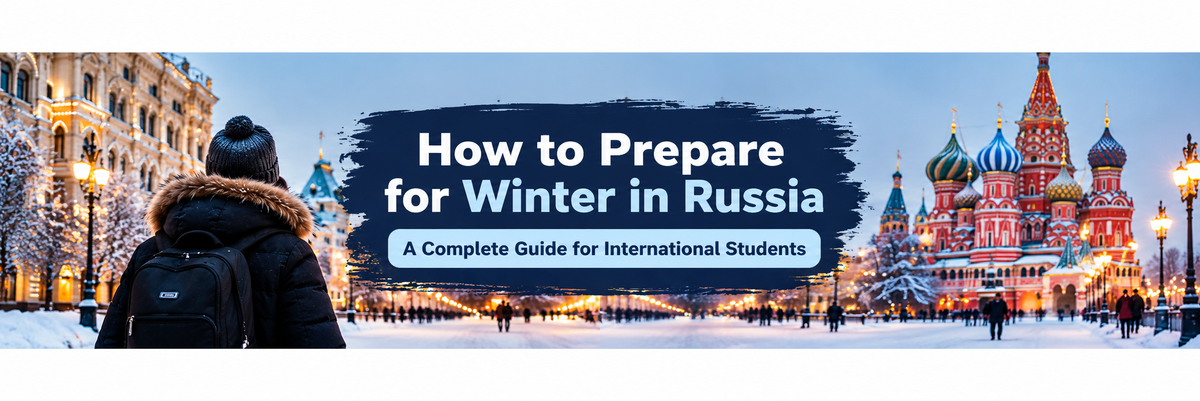
Winter in Russia can be beautiful, exciting, and challenging, especially if you are coming from a warm country like Bangladesh. Snow-covered streets, frozen lakes, and festive city lights make the season special. However, freezing temperatures, icy roads, and shorter days can take some time to get used to.
If you are planning to study in Russia, preparing for winter before you arrive can make your first few months much more comfortable. From choosing the right clothes to protecting yourself from the cold, a little preparation goes a long way.
In this guide, Russian On The Go (ROGO) shares practical winter preparation tips to help international students stay warm, safe, and confident throughout the Russian winter.
1. Understand the Russian Winter Climate
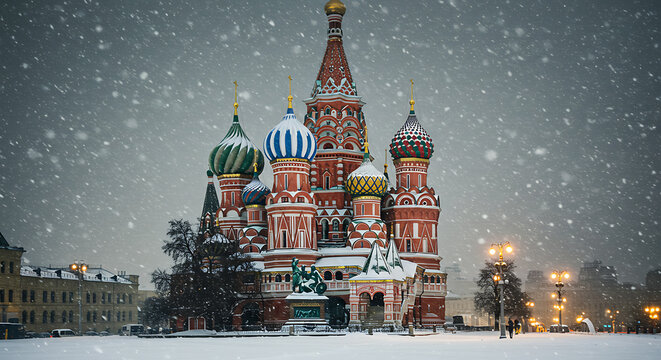
The first step is understanding what to expect. Russia is a huge country, so winter weather varies significantly depending on the city and region.
Cities such as Moscow and Saint Petersburg experience freezing temperatures, snowfall, and icy conditions during winter. Some Siberian regions can experience much more extreme cold.
For students arriving from Bangladesh, where winters are generally mild, the temperature difference can feel surprising.
Here are a few things to remember:
- December to February: These are typically the coldest winter months in many Russian cities.
- Snow and ice: Roads, sidewalks, and university campuses can become slippery.
- Shorter daylight hours: Some cities have significantly less daylight during winter.
- Indoor heating: Many buildings have heating systems, so you may experience a big temperature difference when moving between indoors and outdoors.
Pro tip: Before travelling, research the typical winter temperatures of your destination city. Ask your university or current students about local weather conditions, and check the forecast for your arrival month. Preparing for Moscow is not necessarily the same as preparing for a city in Siberia.
2. Choose the Right Winter Clothing
One of the biggest challenges for Bangladeshi students is choosing suitable winter clothing. A regular jacket that feels warm in Bangladesh may not provide enough protection against freezing temperatures in Russia.
The best approach is to bring everyday clothing from Bangladesh and purchase certain winter essentials after arriving in Russia.
What Should You Bring from Bangladesh?
You can bring a good supply of everyday clothing, as these items will be useful throughout the year.
- T-shirts: Bring enough for regular use and layering.
- Thermal wear: Useful as a base layer during cold weather.
- Sweatshirts: Comfortable for everyday wear and layering.
- Trousers: Bring several pairs suitable for different occasions.
- Comfortable indoor clothing: Pack clothes for your dormitory and indoor activities.
Whenever possible, choose good-quality branded clothing. Prioritise fabric quality, comfort, durability, and fit rather than the brand name alone.
Should You Buy Winter Boots in Bangladesh or Russia?
Buying winter boots in Russia is generally the better option.
Footwear designed for Bangladesh may not be suitable for prolonged exposure to snow, ice, and freezing temperatures. Some boots brought from Bangladesh may wear out quickly or fail to provide sufficient warmth, water resistance, or grip.
Buying winter boots in Russia gives you a better opportunity to choose footwear suited to local winter conditions. Look for insulated, water-resistant boots with durable soles and good traction on slippery surfaces.
What About a Winter Jacket?
You can bring a winter jacket from Bangladesh if you already own a suitable one. However, buying your main winter jacket in Russia is preferable, especially if you are travelling to a city with very cold winters.
Although the price may be slightly higher, you can choose a jacket that better matches the local climate, quality requirements, and practical needs. You will also have more opportunities to explore styles suitable for the weather.
Before buying, check the jacket's insulation, wind resistance, water resistance, and suitability for the temperatures in your destination city.
Pro tip: Bring your everyday clothing from Bangladesh, but consider purchasing your main winter boots and, preferably, your winter jacket in Russia.
3. Should You Buy Winter Clothes in Bangladesh or Russia?
This is a common question among students preparing to move abroad.
You do not necessarily need to purchase your entire winter wardrobe before leaving Bangladesh. Heavy winter clothing can take up valuable luggage space, and the most suitable items depend on your destination and expected temperatures.
A practical approach is to pack enough everyday clothing for regular use and purchase specialised winter gear after arriving in Russia.
Before departure, consider packing:
- A good supply of T-shirts
- Thermal innerwear
- Sweatshirts and warm sweaters
- Several pairs of trousers
- Comfortable indoor clothing
- Warm socks
- A hat, gloves, and scarf
- Basic personal care products
Good-quality branded clothing can be a worthwhile choice, particularly for items you plan to wear frequently. However, always consider the material, fit, comfort, and durability.
After arrival, explore local shops for suitable winter boots, a properly insulated winter jacket, and other cold-weather essentials.
If you are arriving during severe cold weather, make sure you have adequate protection for your journey from the airport to your accommodation. Do not depend on buying everything after arrival without a plan.
4. Learn How to Dress in Layers
Wearing multiple layers is one of the most practical ways to stay warm during a Russian winter.
A simple three-layer system works well for many winter conditions:
Layer 1: Base layer
Wear thermal clothing close to your skin. It helps retain warmth and, depending on the material, manage moisture.
Layer 2: Insulating layer
Add a sweatshirt, fleece jacket, or warm sweater to help keep body heat in.
Layer 3: Outer layer
Wear a suitable winter coat that protects you from wind, snow, and moisture.
You can bring thermal wear and sweatshirts from Bangladesh and combine them with a winter jacket suited to your destination's climate.
You can adjust these layers depending on the temperature and how long you plan to stay outdoors. When entering a heated classroom, removing your outer coat can help you stay comfortable.
Avoid wearing so many layers that you sweat heavily. Damp clothing can make you feel colder once you return outdoors.
5. Protect Your Skin and Health During Winter
Cold weather can affect your skin, lips, and overall comfort. Dry indoor heating can also make your skin feel uncomfortable.
Here are some simple ways to take care of yourself:
- Use moisturiser: Apply a suitable moisturiser to help protect your skin from dryness.
- Protect your lips: Carry lip balm and reapply it when needed.
- Stay hydrated: Drink enough water throughout the day, even when you do not feel thirsty.
- Eat balanced meals: Include nutritious foods that provide enough energy during cold weather.
- Get enough sleep: Maintaining a regular sleep schedule can help you manage changes in daylight and daily routines.
- Stay active: Indoor exercise, walking when conditions are safe, and regular physical activity can help maintain your routine.
If you have a medical condition that may be affected by cold weather, speak with a qualified healthcare professional before travelling.
6. Be Careful When Walking on Snow and Ice
Winter safety is just as important as staying warm. Snow-covered sidewalks and icy roads can increase the risk of slips and falls, especially for students who are experiencing snow for the first time.
Follow these practical tips:
- Wear winter boots with reliable grip and soles suitable for icy conditions.
- Take smaller steps and walk slowly on slippery surfaces.
- Avoid running across icy sidewalks.
- Use handrails when walking on stairs.
- Allow extra time to reach your university or bus stop.
- Pay attention to weather warnings and local safety instructions.
Also, protect your exposed skin when temperatures become extremely low. If your skin becomes numb, unusually pale, or waxy, move to a warm place and seek appropriate medical advice. Severe cold exposure can cause frostbite and hypothermia.
Remember: Looking stylish is great, but staying warm and safe should always come first.
7. Prepare Your Dorm Room for Winter
Your dormitory will become your home during your studies, so making it comfortable is important.
Many Russian university dormitories have central heating, but room temperatures and facilities can vary. Check the arrangements at your accommodation before buying additional items.
Here are some useful things to consider:
- Warm bedding: Keep a comfortable duvet or blanket available.
- Comfortable sleepwear: Choose warm pyjamas and socks for chilly nights.
- Slippers: Indoor slippers can make cold floors more comfortable.
- Personal essentials: Keep moisturiser, lip balm, and other winter care products nearby.
- Room ventilation: Follow your dormitory's ventilation guidance to maintain fresh indoor air.
- Heating rules: Ask the dormitory administration about heating arrangements and permitted heating devices.
Never use an outdoor cooking appliance indoors or leave an unsafe heating device operating unattended. Always follow accommodation safety rules.
8. Adjust Your Daily Routine for Winter
Preparing for winter is not only about clothing. You may also need to adjust your daily routine.
During snowy or icy weather, your usual journey to university might take longer. Public transportation can be busy, and walking may require extra care.
Try these habits to make everyday life easier:
Check the forecast every morning. Choose your clothes based on the expected temperature, wind, and precipitation.
Leave home earlier. Extra travel time can help you avoid rushing on slippery roads.
Keep your phone charged. A charged phone is useful for checking transport information, maps, and emergency contacts.
Plan outdoor activities carefully. Avoid spending long periods outside without suitable clothing during severe cold.
Stay connected with friends. Building friendships with other students can help you exchange useful advice and adapt more easily.
A little planning can make your university life more comfortable, even on the coldest days.
9. Learn Basic Russian Phrases for Winter
Knowing a few Russian phrases can make shopping, travelling, and asking for help easier.
Here are some useful expressions to practise before arriving:
Practising these expressions before departure can make everyday interactions less stressful.
You do not need to speak perfect Russian from your first day. Start with simple phrases, listen carefully, and practise a little every day.
10. Your Winter Preparation Checklist
Before your first Russian winter, use this checklist to make sure you have covered the essentials.
- Research the winter climate of your destination city.
- Check the weather conditions expected during your arrival month.
- Pack enough T-shirts, thermal wear, sweatshirts, and trousers.
- Choose good-quality everyday clothing.
- Plan to buy suitable winter boots in Russia.
- Consider buying your main winter jacket in Russia.
- Pack warm socks, a hat, gloves, and a scarf for your arrival.
- Carry basic personal care products.
- Confirm the heating arrangements in your accommodation.
- Learn basic Russian phrases for shopping and emergencies.
- Save important university and emergency contacts.
- Check weather forecasts and transport updates regularly.
- Learn how to recognise the warning signs of dangerous cold exposure.
Completing these steps before winter arrives will help you feel more prepared for your new environment.
Final Thoughts: Make Your First Russian Winter a Memorable Experience
Your first winter in Russia may feel challenging at first, especially if you have never experienced freezing temperatures or snowfall. However, with suitable clothing, a comfortable living space, and a few practical habits, you can gradually adapt to the new climate.
Remember that every city is different, so prepare according to your destination rather than relying on general assumptions about Russian weather. Bring your everyday clothing from Bangladesh, research the local climate, and choose winter footwear and outerwear that can handle the conditions.
At Russian On The Go (ROGO), we believe that preparing for life in Russia means more than getting ready for university. It also means understanding the language, culture, weather, and everyday experiences that shape student life.
Whether you are preparing to travel or have already arrived in Russia, keep learning, stay curious, and make the most of your journey.
Follow Russian On The Go for more practical guides, Russian language lessons, and helpful tips for student life in Russia. Your journey to a new experience starts with the right preparation!
📌 Register Now for Free Consultation today - Click here!
Need Help with Documentation?
Navigating visa requirements and document preparation can be challenging, but Russian On The Go (ROGO) is here to help! We offer document translation, notarization, and visa interview preparation to make your transition smooth.
📌 Get Expert Assistance Today! Click here to learn more.