What to Do If You Get Scammed in Russia?


Common scams targeting foreign students and how to respond safely
Moving to Russia for study can be exciting, but it also comes with new responsibilities. International students often deal with unfamiliar systems, a new language, visa rules, housing, banking, transportation, and online services. Because of this, scammers may try to take advantage of students who are still adjusting to life in Russia.
Scams can happen anywhere, including online, over the phone, through social media, in housing deals, fake job offers, fake document services, or even through people pretending to be officials. The most important thing is to stay calm, stop further loss, collect evidence, and contact the right authority or support office as soon as possible.
This guide explains common scams foreign students may face in Russia and what to do if it happens.
Quick Emergency Contacts in Russia
Save these numbers in your phone and keep a written copy somewhere offline.
Why International Students Can Be Targeted
Foreign students may be targeted because they are new to the country and may not fully understand local rules, language, banking systems, or official procedures.
Scammers may use fear, urgency, or confusion to pressure students. They may say your visa will be cancelled, your bank account is blocked, your documents are wrong, your parcel is stuck, or your housing deposit must be paid immediately.
A real official process usually gives you proper documents, official communication, and time to verify information. Scammers often create panic and push you to act quickly.

Common Scams Targeting Foreign Students in Russia
1. Fake Bank Calls and “Safe Account” Scams
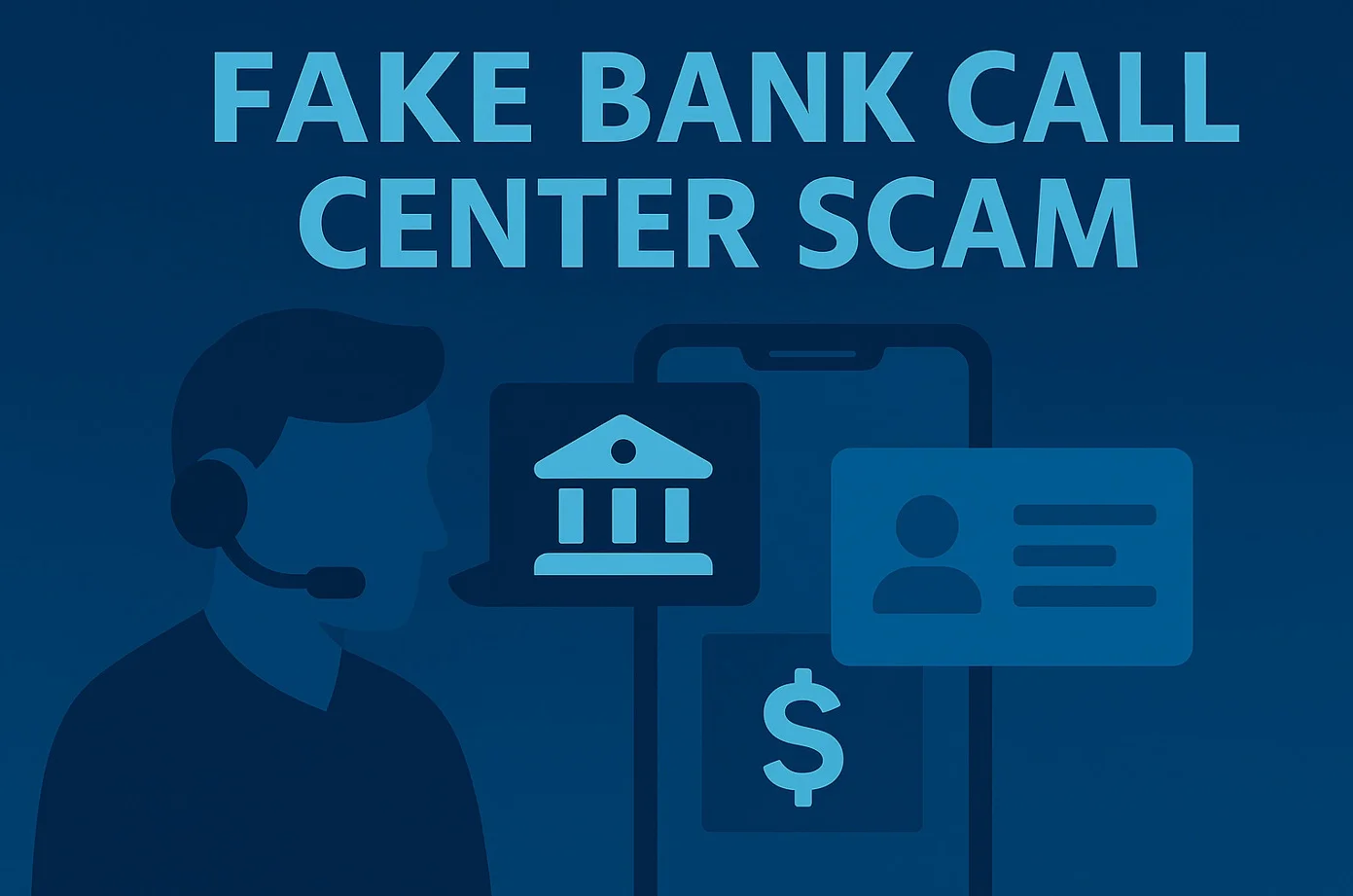
One of the most common types of scams is a phone call or message from someone pretending to be from a bank, police department, government office, or security service.
They may claim that your bank account is under attack, someone is trying to steal your money, your card will be blocked, or you must transfer money to a “safe account.” They may also ask you to share an SMS code to stop a transaction.
A real bank employee will not ask for your PIN, CVV code, full card details, password, or SMS confirmation code. A real bank will also not ask you to transfer money to a private “safe account.”
What to do:
· End the call immediately.
· Do not share any codes or card details.
· Do not transfer money.
· Call your bank using the official number from the bank card or official app.
· If you already shared information, block your card immediately.
2. Fake Visa, Registration, or Document Services
Some scammers pretend to offer visa extension, migration registration, residence permit, work permit, or university admission services. They may promise fast results, guaranteed approval, or “special connections.”
For international students, this can be very dangerous because wrong migration documents can create serious legal problems. Be careful if someone promises guaranteed approval, asks for large cash payments without receipt, refuses to give official documents, or says you do not need to contact your university.
What to do:
· Verify everything through your university international office.
· Do not use fake registration or unofficial documents.
· Ask for written service details, receipts, and company information.
· Never give your passport to unknown people.
· If unsure, ask your university or a trusted legal consultant before paying.
3. Housing and Rental Scams

Students looking for apartments may face fake rental ads. A scammer may post beautiful apartment photos, offer a very low price, and ask for a deposit before you see the apartment.
Warning signs include rent that is much cheaper than normal, an owner who is “outside the city,” no proper rental contract, refusal to show ownership documents, copied-looking photos, or payment requested to a personal card with no receipt.
What to do:
· Do not pay a deposit before verifying the apartment.
· Visit the apartment in person if possible.
· Check the address and documents.
· Ask for a written rental contract.
· Keep payment proof.
· Use trusted platforms or reliable contacts.
· Ask your university or local friends before making payment.
4. Fake Police or Fake Fine Scams
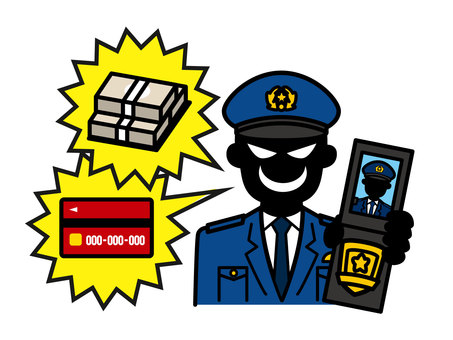
Sometimes scammers may pretend to be police officers or government officials. They may tell a foreign student that their visa, registration, or migration card has a problem and demand money immediately.
A real police officer may check your documents, but you should not pay unofficial cash fines on the street or transfer money to someone’s personal bank card.
What to do:
· Stay calm and respectful.
· Ask to see official identification.
· Do not argue or run away.
· Do not pay unofficial cash or card transfers.
· Ask to contact your university, embassy, or a trusted Russian-speaking person.
· If you feel unsafe, call the emergency number or go to the nearest police station.
5. Online Marketplace and Delivery Scams
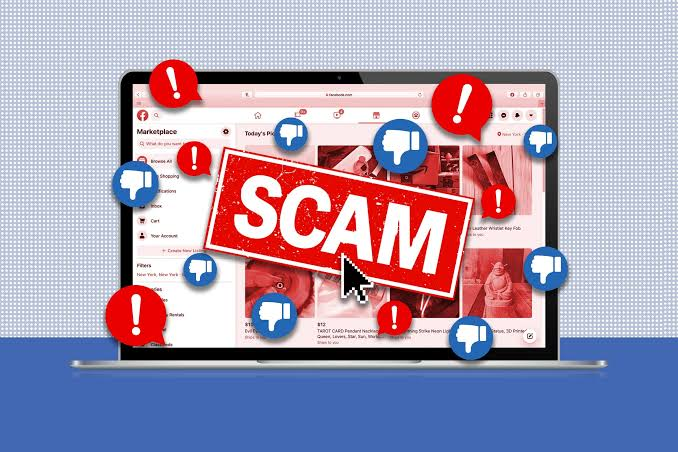
Students often buy second-hand items, phones, laptops, bicycles, furniture, or home items online. Scammers may send fake payment links, fake delivery links, or ask for advance payment.
Be careful with messages such as “Pay now or I will give it to someone else,” “Use this delivery link,” “Send your card details to receive payment,” or “Confirm with the SMS code.”
What to do:
· Avoid suspicious payment links.
· Do not enter card details on unknown websites.
· Do not share SMS codes.
· Meet in a safe public place if buying locally.
· Use trusted platforms and official payment systems.
· Take screenshots of all communication.
6. Fake Job Offers

Some students receive job offers through Telegram, WhatsApp, social media, or unknown recruiters. The offer may look attractive, but the scammer may ask for payment first.
Be careful if a job promises a very high salary with no experience, asks you to pay for training or documents, offers work without checking your legal status, refuses to provide a proper contract, or asks you to receive and transfer money through your bank account.
Students should be especially careful with jobs involving bank cards, money transfers, parcels, cryptocurrency, or unknown “assistant” work. These may involve illegal activity.
What to do:
· Check whether you are legally allowed to work.
· Ask for an official contract.
· Verify the employer.
· Do not pay money to get a job.
· Do not let anyone use your bank card or account.
· Ask your university before accepting suspicious work.
7. Investment, Crypto, and “Easy Money” Scams

Scammers may offer students investment opportunities, crypto trading, betting groups, or “guaranteed profit” schemes. These offers often spread through social media and messaging apps.
Warning signs include guaranteed high returns, “double your money” promises, pressure to invite friends, no clear company information, no proper license, money paid to private individuals, or profit shown only inside an app or website.
If an investment sounds too good to be true, it is usually not safe.
What to do:
· Do not invest money you cannot afford to lose.
· Check whether the company is licensed.
· Avoid unknown trading links.
· Do not invite friends into suspicious schemes.
· Do not believe screenshots of fake profits.
What to Do Immediately If You Think You Are Being Scammed
Step 1: Stop Communication
Do not continue talking to the scammer. Scammers are trained to pressure people emotionally. The longer you stay in the conversation, the more likely you are to make a mistake. Stop answering calls and messages. Do not click any more links.
Step 2: Do Not Send More Money
If you already sent money, the scammer may ask for more. They may say you need to pay a release fee, tax, verification fee, lawyer fee, or refund fee. Do not send more money.
Step 3: Save Evidence
Collect and save phone numbers, chat screenshots, bank receipts, transfer details, website links, social media profiles, voice messages, emails, photos of documents, and any names or addresses used by the scammer. Do not delete the conversation.
Step 4: Contact Your Bank Immediately
If money was taken from your card or bank account, contact your bank as soon as possible. Ask the bank to block the card, freeze suspicious activity, stop pending transactions if possible, register your fraud complaint, provide a case number, and advise you on the next steps.
Step 5: Report to the Police
If you lost money, documents, or personal data, report the incident to the police. For emergencies, call 112 or 102. If it is not an emergency, you can go to the nearest police station and submit a statement.
Step 6: Inform Your University
International students should inform their university international office, visa department, dormitory office, or student support office if the scam affects documents, bank accounts, housing, employment, legal status, or safety.
Step 7: Contact Your Embassy If Needed
Contact your embassy or consulate if your passport was stolen, your identity documents were used, you are threatened, you are detained or called by authorities, you are unable to understand the legal process, or you need emergency travel documents.
When reporting to the police, bring:
· Passport
· Visa or residence document
· Migration card
· Registration document
· Bank receipt or transfer proof
· Screenshots and chat history
· Phone numbers and website links
· Any details about the scammer
Ask for confirmation that your complaint was received.
What If You Shared Personal Documents?
If you send your passport copy, visa, migration card, registration, bank details, or student ID to a scammer, take it seriously.
You should inform your university, watch for unusual bank activity, change passwords, enable two-factor authentication, contact your bank, report identity misuse if needed, and keep records of where and when the documents were shared.
Not every shared document leads to immediate fraud, but you should monitor your accounts and stay alert.
How to Protect Yourself from Scams in Russia
The best protection is awareness. Always verify before paying, never share banking codes, and do not trust anyone who pressures you to act immediately.
· Never share SMS codes, PIN, CVV, or banking passwords.
· Do not transfer money to “safe accounts.”
· Do not pay for unofficial visa or registration services.
· Do not pay apartment deposits before verification.
· Do not give your passport to unknown people.
· Use official university channels for migration issues.
· Use official bank apps and verified phone numbers.
· Avoid suspicious links from Telegram, WhatsApp, or SMS.
· Keep copies of all important documents.
· Ask a trusted person before making large payments.
· Do not make decisions under pressure.
· If something feels urgent and frightening, pause and verify.
Students should also save:
· University international office number
· Dormitory office number
· Embassy or consulate contact
· Bank hotline
· Trusted local contact
· Landlord or housing contact
Final Advice for International Students
Getting scammed can feel embarrassing, but you should not stay silent. Many intelligent people become victims of scams because scammers use fear, pressure, urgency, and confusion.
If it happens, act quickly. Stop communication, save evidence, block your bank card if needed, report the incident, and ask for help from your university or trusted people.
In Russia, as in any country, your safety depends on staying calm, informed, and careful. A few minutes of verification can save you from serious financial, legal, and personal problems.
Accuracy and Source Notes
This guide is intended for general student safety awareness and is not legal advice. For individual cases, students should contact their university, embassy, bank, police, or a qualified legal professional.
· Bank of Russia: fraud warning signs include pressure, requests for card details, PINs, SMS codes, personal data, or transfers to “safe accounts.” Official information: https://www.cbr.ru/eng/press/event/?id=8380
· Bank of Russia: fraud channels include bank cards, accounts, Faster Payments System, e-wallets, phishing links, and malware. Official review: https://cbr.ru/eng/analytics/ib/operations_survey/2025/
· Moscow official emergency guidance: police can be reached by 102 or 112. https://www.mos.ru/en/answer/emergency-situations/how-to-call-emergency-services/
· UNHCR Russia help page lists 101 for fire, 102 for police, 103 for ambulance, and 112 as the unified emergency number. https://help.unhcr.org/russia/
· University student guidance commonly advises foreign students to keep passport, visa, migration card, and registration documents available and report lost documents promptly.
📌 Register Now for Free Consultation today - Click here!
Need Help with Documentation?
Navigating visa requirements and document preparation can be challenging, but Russian On The Go (ROGO) is here to help! We offer document translation, notarization, and visa interview preparation to make your transition smooth.
📌 Get Expert Assistance Today! Click here to learn more.