Social Media Restrictions in Russia: What Every International Student Should Know

When a student prepares to study in Russia, they often check weather, documents, dorm life, and university details. But one thing many people don’t expect is that some popular social media platforms do not work in Russia without a VPN. This is one of the main effects of international sanctions and Russia’s own internet restrictions.
If you use Facebook, Instagram, WhatsApp calls, or YouTube every day, the first week in Russia might feel confusing. Many new students try opening these apps and suddenly realize they simply won’t load without a secure connection.
This blog explains why this happens, which platforms are affected, and what solutions international students can use to stay connected without stress.
Why Some Social Media Apps Don’t Work in Russia
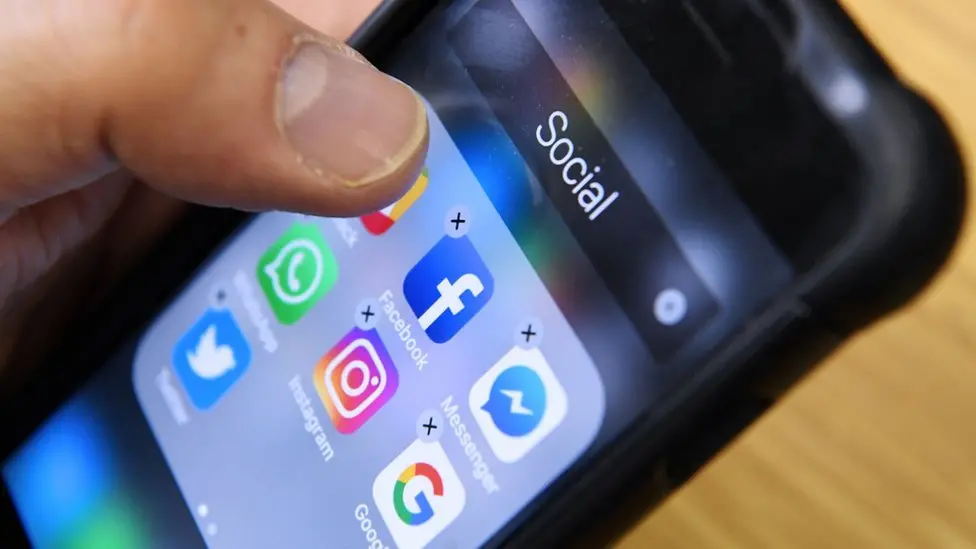
After political tensions and sanctions increased in 2022, several international companies restricted their services in Russia. At the same time, Russian authorities also blocked or limited access to some platforms inside the country.
As a result, many globally popular apps are now officially unavailable without a VPN. It is not a device problem — it is a national-level restriction.
Most international students experience this surprise on their first day in Russia. They turn on mobile data or Wi-Fi, open Instagram or Facebook, and see nothing loading. This is completely normal due to the current restrictions.
Which Apps Are Blocked or Partially Blocked?
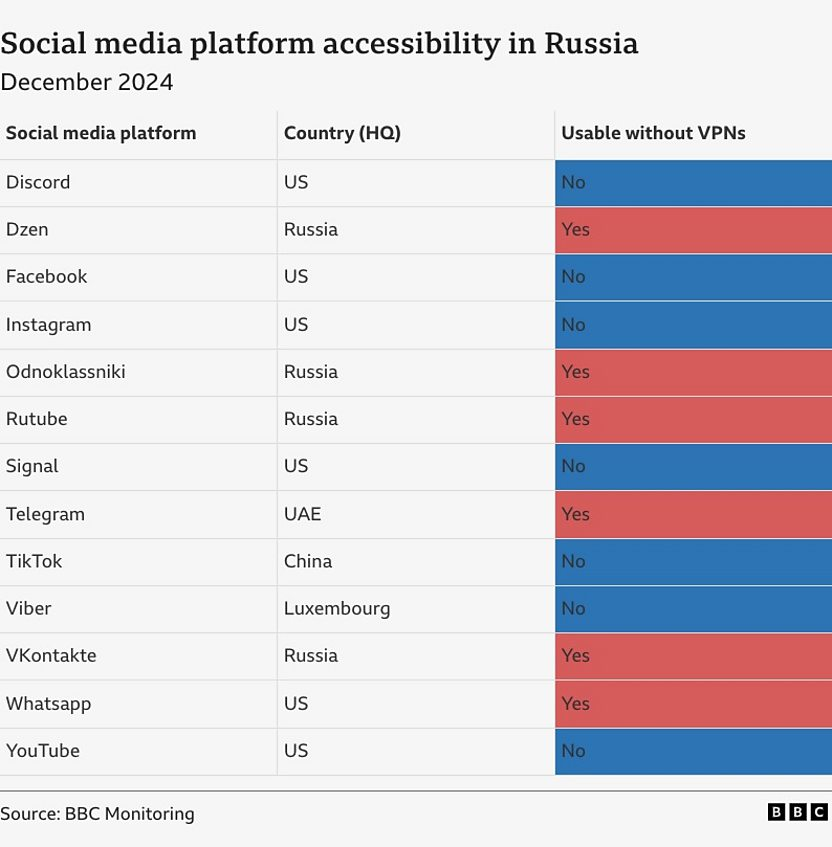
Here is the situation for the major platforms international students use:
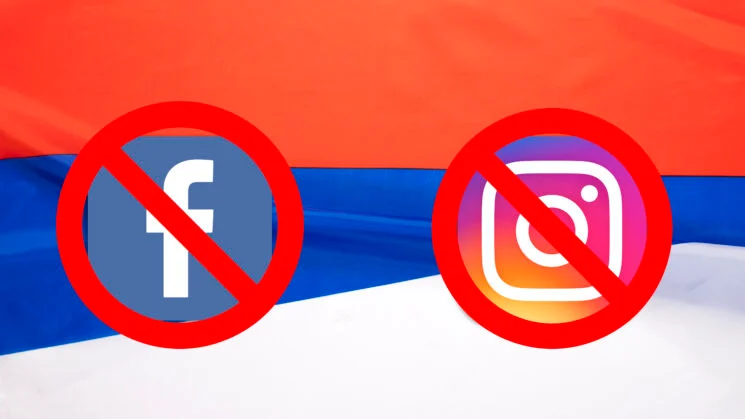
• Instagram – Completely blocked. Does not open without VPN.
• Facebook – Fully blocked in Russia.
• WhatsApp – Text messages work normally, but voice and video calls are restricted or unstable.
• YouTube – Accessible but sometimes slow or limited; certain functions may require VPN depending on your provider.
• X/Twitter – Blocked; works only with VPN.
• TikTok – Content inside Russia is limited; uploading is restricted without VPN.
• Telegram - Text messages work normally, but voice and video calls are restricted or unstable.
• Google Services (partially) – Search works, but some features may load slowly depending on your connection.
This means international students need to prepare their phones and laptops properly before arriving in Russia.
Do Russian Social Media Apps Work Normally?
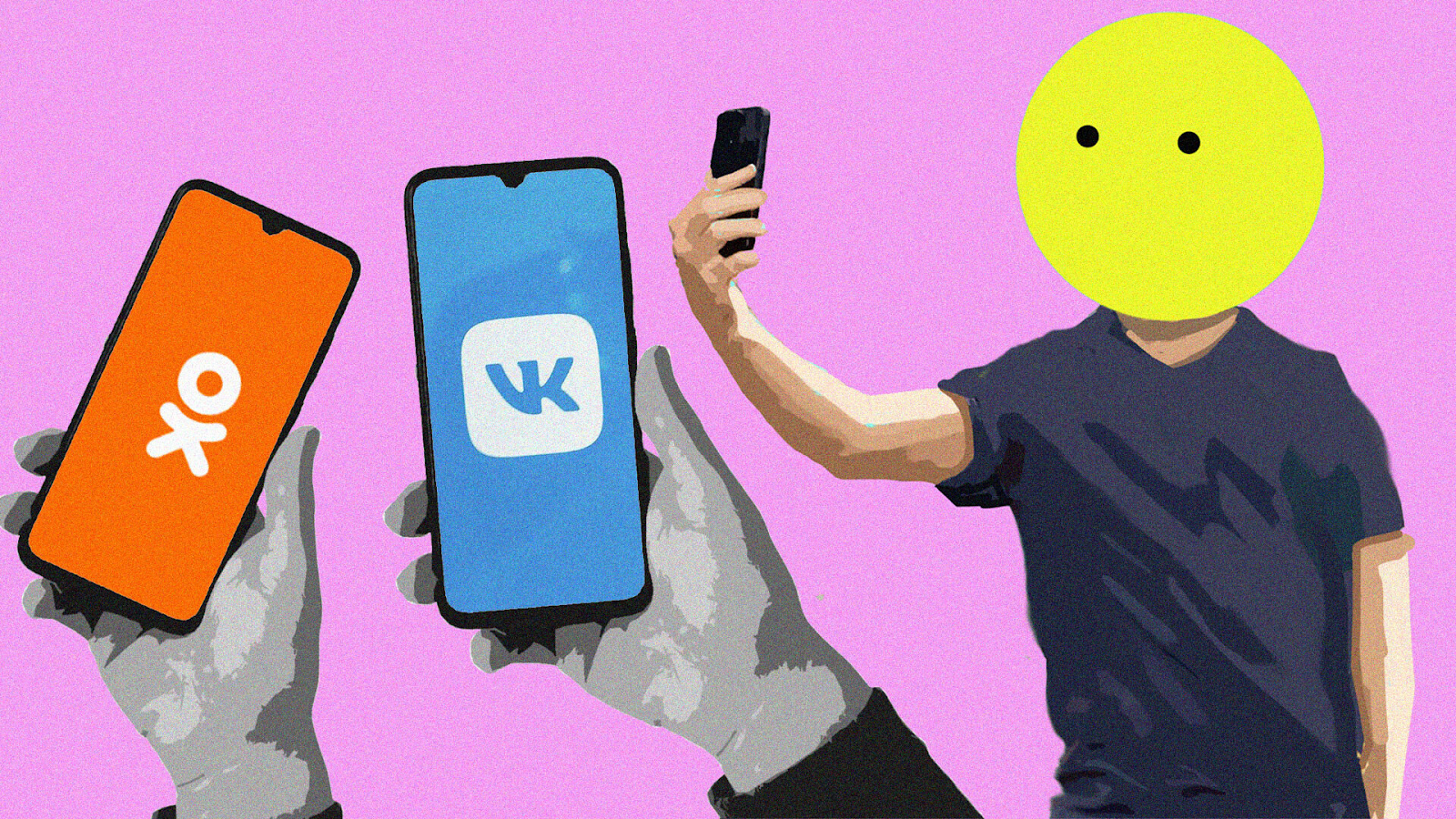
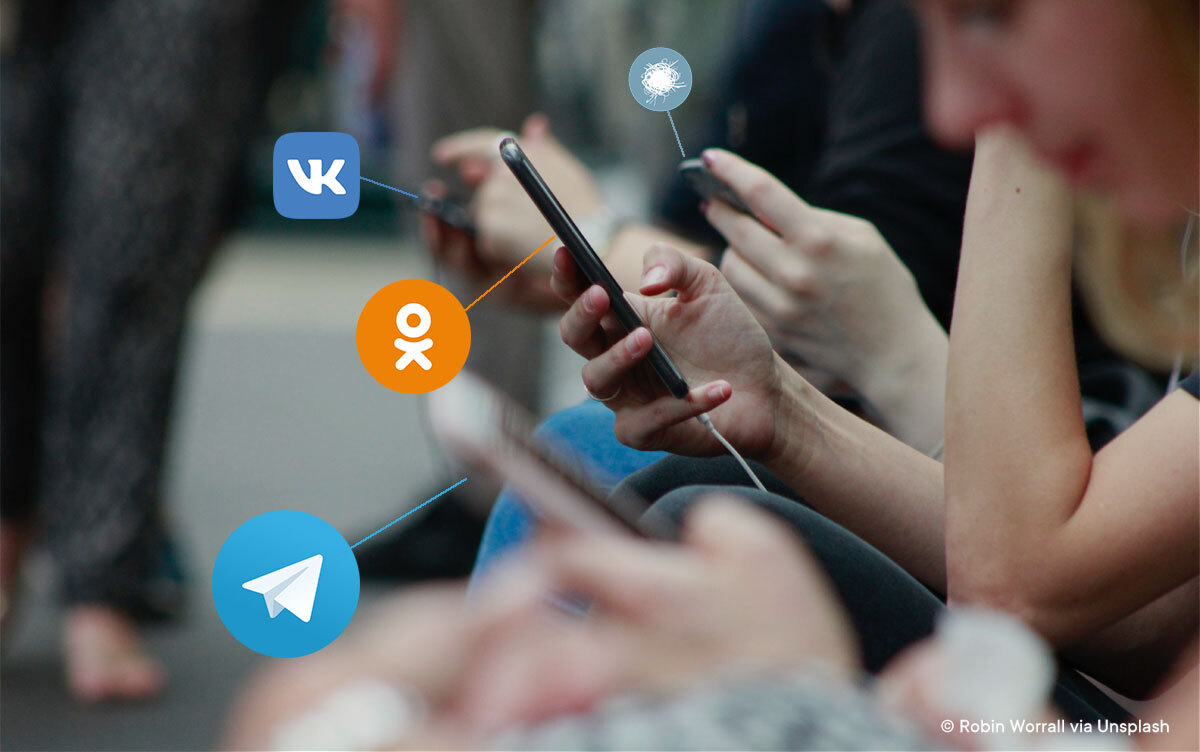
Yes. Russian platforms like VK (VKontakte), Max, Yandex services, and Rutube work normally without any restrictions. Many locals use these apps every day for communication, news, music, and entertainment.
Telegram especially has become the most popular messenger for students because:
✔️It works without VPN (Text)
✔️File sharing is fast
✔️Channels provide city updates, university info, and emergency announcements
✔️Most Russians and internationals use it
Because of this, students often switch their communication habits once they arrive.
What Is the Solution for International Students?
The simplest and safest solution is to install a trusted and secure VPN (Virtual Private Network). A VPN allows students to access blocked platforms by connecting through servers in other countries.
Why VPN is necessary?
Because without it, Instagram, Facebook, YouTube, and many other international platforms will never open in Russia. Most foreign apps are restricted due to sanctions, so a VPN becomes the only reliable way to stay connected with friends, family, and your social media accounts. For students who depend on these apps for communication, study resources, entertainment, and even freelance work, a VPN is essential from the very first day.

What should students keep in mind?
• Install a VPN before entering Russia
• Use a reliable VPN with stable speed
• Avoid unknown or free VPNs — many are unsafe
• Keep one main VPN and one backup
• Don’t share personal documents or passwords through random VPN apps
Many students prefer paid VPNs because they offer stronger security, fewer connection drops, and faster access to social media, online classes, and international websites. A good VPN makes your digital life in Russia smoother and stress-free.
How Students Stay Connected in Daily Life
For most international students, the solution becomes a mix of different apps:
• Telegram for texting, groups, university info, and daily communication (calls need VPN)
• WhatsApp text only (calls often need VPN)
• Instagram and Facebook on VPN
• YouTube partly without VPN, fully with VPN
• VK for connecting with Russian classmates
Once students adjust to this pattern, everyday digital life becomes smooth again.
Is Using a VPN Legal for Students in Russia?
Yes, using a VPN itself is not illegal for normal personal use.
You can use it to:
✔️Contact family
✔️Post on social media
✔️Watch videos
✔️Access international websites
✔️Maintain your online work
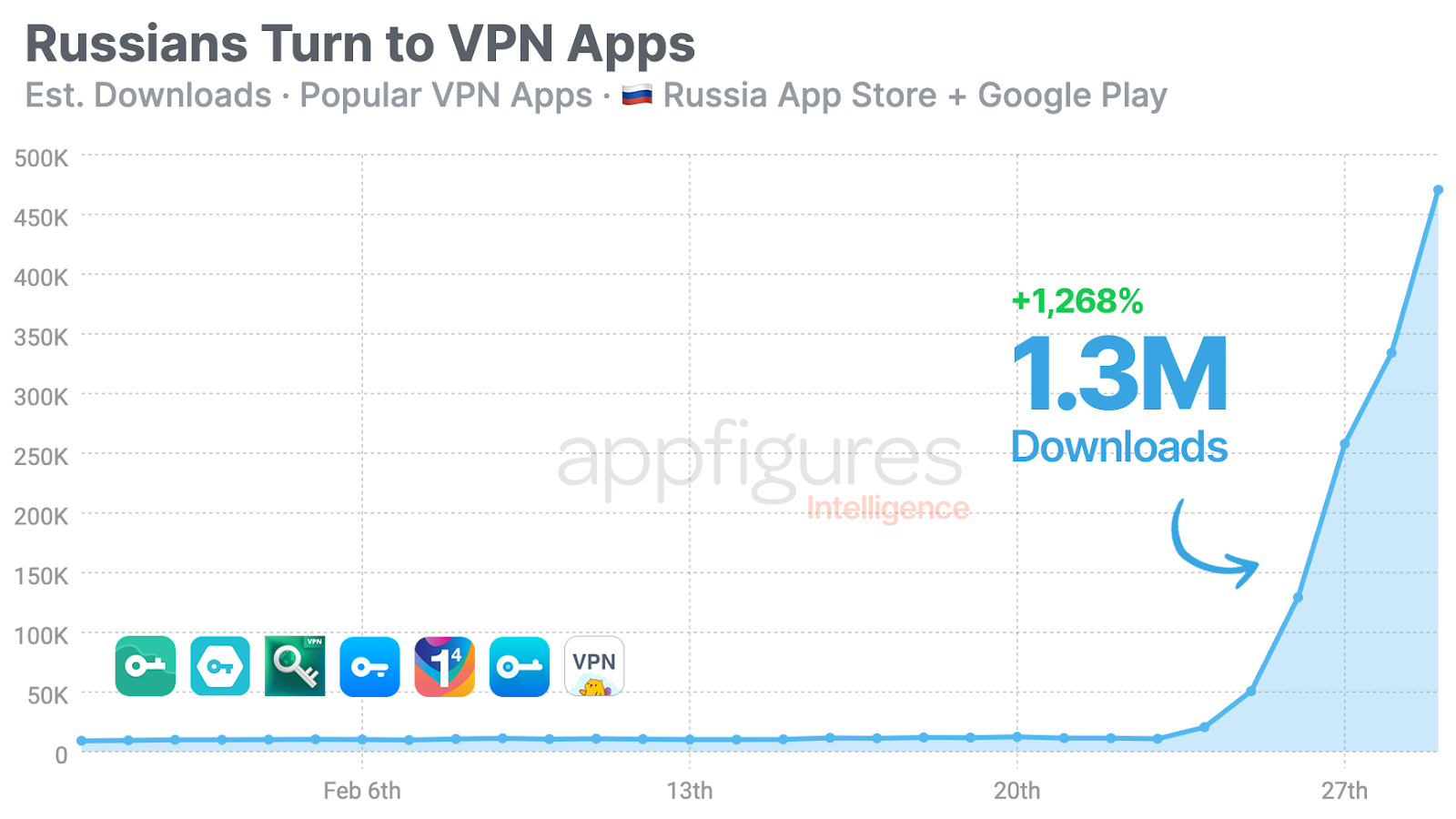
Millions of people in Russia, including locals and foreigners, use VPNs every day for social media and communication.
The only restriction is that certain types of illegal activities remain illegal with or without a VPN, but for normal student life, it is perfectly fine.
Conclusion
Life in Russia is exciting, culturally rich, and full of new experiences. But digital life can feel challenging if your favorite apps suddenly stop working. Understanding how social media restrictions work — and preparing yourself with a good VPN — will save you from stress once you arrive.
With the right apps, settings, and support, staying connected in Russia becomes easy again.
📌 Register Now for Free Consultation today - Click here!
Need Help with Documentation?
Navigating visa requirements and document preparation can be challenging, but Russian On The Go (ROGO) is here to help! We offer document translation, notarization, and visa interview preparation to make your transition smooth.
📌 Get Expert Assistance Today! Click here to learn more.