
How Russian People Think: Everyday Habits and Social Etiquette Foreigners Should Know

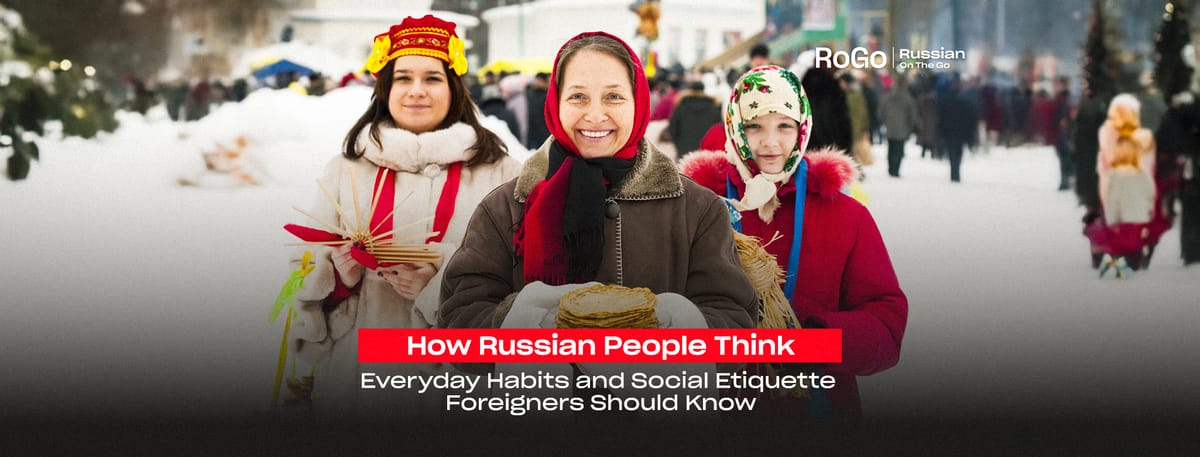
When you start living in Russia, you slowly notice that people behave a little differently from what you may be used to. Their habits, their way of speaking, and their approach to daily life come from history, climate, and culture. These differences are not difficult — they just take some time to understand. This blog explains Russian everyday etiquette in simple words, so you can adjust smoothly and enjoy your time in the country.
Personal Space: Russians Respect Their Own Space and Yours
One of the first things foreigners notice is that Russians prefer a clear physical distance when talking to someone they don’t know well. Even in queues or buses, people don’t like standing too close unless it’s crowded. In conversation, they don’t touch or pat others casually. This is not a sign of being unfriendly — it is simply their cultural comfort zone.
When you respect their personal space, interactions become much easier. Once you get closer to someone as a friend, the distance reduces naturally, and you will notice warmer behavior.

Communication Style: Honest, Direct, and Practical
Russian communication often feels direct. People say what they think, and they appreciate straightforward conversations. They don’t use many filler sentences like “if you don’t mind,” “maybe,” or “I was wondering if…” Instead, they prefer clear questions and clear answers.
This does not mean they are rude — they simply value honesty and efficiency. Once you understand this style, daily life becomes simpler. When asking for help in shops, dorms, or offices, being direct and polite makes the process smooth.
Another important point is facial expressions. Russians do not smile at strangers without reason, especially in official places. A neutral face is normal here. However, when they get to know you, you will see a very warm and friendly side.

Small Talk and Friendship: Slow to Start, Strong Once It Begins
In many countries, small talk is common with strangers. Russians, on the other hand, don’t do small talk very often. They rarely talk to strangers on buses or in queues unless necessary. Conversations become deeper only when two people trust each other.
Friendships in Russia form slowly but become very strong. Once a Russian person accepts you as a friend, they are caring, loyal, and supportive. They will help you during difficult times, invite you to their home, and treat you with genuine warmth.
This is why a lot of foreign students who stay longer in Russia build friendships that last years.

Punctuality: Respecting Time Is a Sign of Respect
Russians take punctuality seriously, especially for classes, meetings, and official work. If your class starts at 10:00, arriving at 10:15 is considered late, even if the teacher is still talking. In professional settings, being on time shows respect and responsibility.
In social situations, the rules are a bit more relaxed. If you visit a friend’s home, arriving a few minutes late is usually fine, but informing them is always appreciated.

Understanding punctuality helps you adjust to university routines and makes communication smoother with teachers and officials.
Greetings and Goodbyes: Simple but Meaningful
Greetings in Russia are clear and straightforward. People say “Здравствуйте” formally and “Привет” informally. Handshakes are common among men, and sometimes between women and men, depending on the situation. Hugging is reserved for closer friendships.

Goodbyes also matter culturally. Russians don’t leave a room without saying a proper goodbye. If you leave a group or someone’s home silently, it may be seen as impolite. Even a simple “Пока” or “До свидания” feels respectful.
Everyday Habits You Will Notice Quickly
You’ll start observing small habits in daily life that feel unique to Russia. People remove their shoes inside houses, even in dorm rooms or apartments. Cashiers, bus drivers, and workers follow a strict “rule-book” style — they don’t bend rules easily, so it’s better to follow procedures exactly.
You may also notice that Russians prioritise practicality. They dress warmly even when you think it’s not that cold because they understand the weather better. They carry essentials like gloves, umbrellas, or power banks to avoid unexpected situations.
These habits show that Russian culture is shaped by climate and history, and once you adapt, life becomes smoother and more comfortable.

How Understanding Etiquette Helps Your Life in Russia
When you know these basic habits — personal space, communication style, punctuality, and greetings — you naturally blend into Russian daily life. It helps you connect with classmates, talk easily with university staff, and communicate safely with officials. Foreigners who understand this cultural rhythm enjoy their stay more and avoid misunderstandings.
Russian On The Go often reminds students about these cultural differences because they play an important role in adaptation. When you know how people think and behave, you feel more confident and less stressed in new situations.
📌 Register Now for Free Consultation today - Click here!
Need Help with Documentation?
Navigating visa requirements and document preparation can be challenging, but Russian On The Go (ROGO) is here to help! We offer document translation, notarization, and visa interview preparation to make your transition smooth.
📌 Get Expert Assistance Today! Click here to learn more.