
Dorm Life in Russia: What Students Should Expect Before Moving In


For many international students, dormitory life becomes the first real taste of living independently in Russia. It is a new experience filled with different habits, rules, cultures, and routines. Russian dorms are safe, structured, and budget-friendly, but they may feel surprising in the beginning if you don’t know what to expect. This blog explains everything in simple language — from roommates to kitchen traditions — so your transition feels smooth and stress-free.
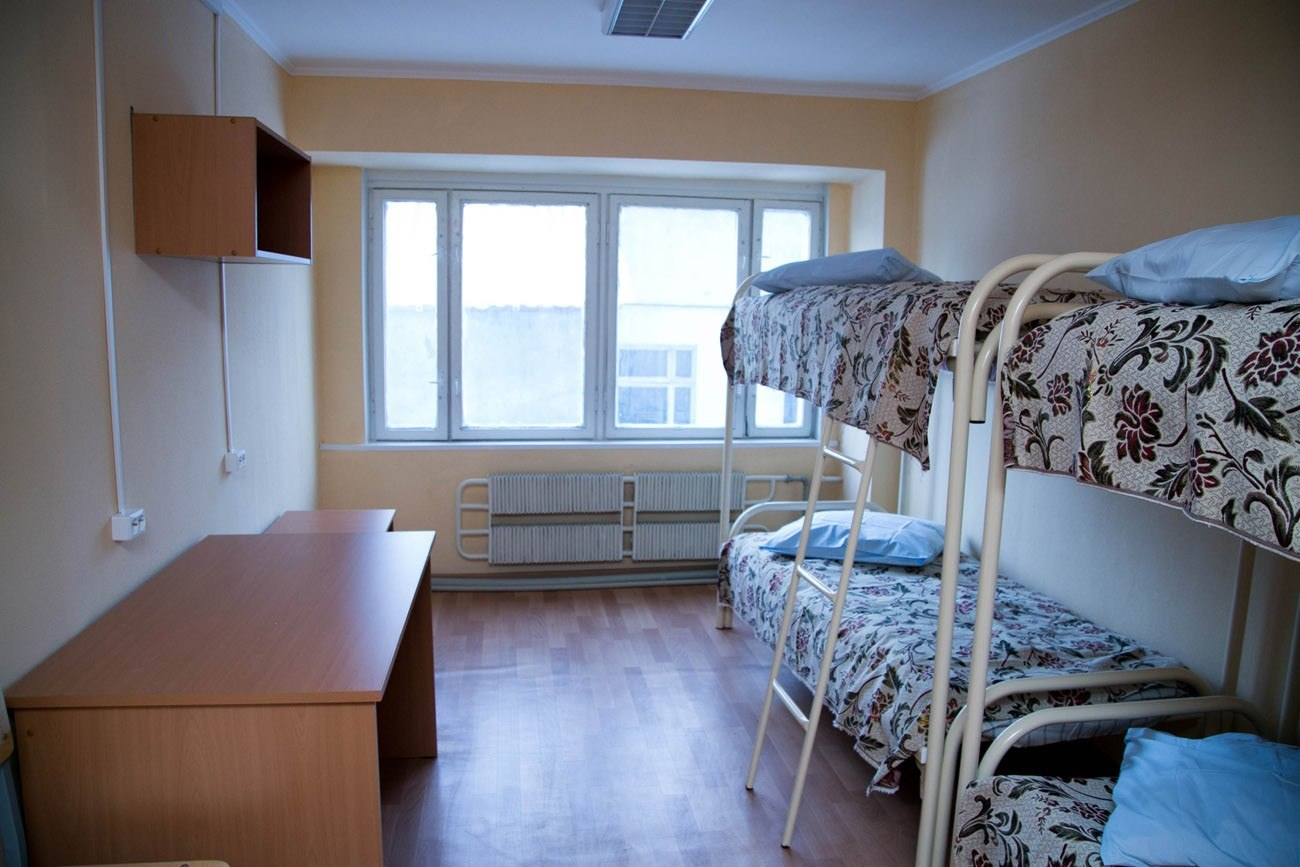
Russian dorms are usually located on or near university campuses, which makes them convenient for daily life. Most rooms are shared by two, three, or four students, and the level of comfort depends on the building, location, and price. Some universities have new, modern dorms with good facilities, while older buildings offer more basic arrangements.
Almost all dorms have shared spaces like kitchens, laundry rooms, study rooms, and common areas. The environment is functional rather than luxurious, but it is a great way to meet new people and learn to manage life on your own.
Dorm corridors are often lively — you will hear students cooking, laughing, or talking in different languages. At the same time, they follow clear rules that keep everything organized.
The Rules: Strict but Easy to Understand
Dormitory rules in Russia are made for safety, cleanliness, and discipline. The most common ones include fixed entry hours, limits on visitors, no loud noise after late evening, and keeping your room clean.
At first, these rules may seem strict, especially for students who are used to more freedom. But once you live there for a while, you understand why they exist. Russian dorms house hundreds of students in one building, so predictable routines make life easier for everyone.
You must also show your dorm pass whenever you enter or leave. Security guards or administrators are always present, which keeps the building safe at all hours.
Following the rules not only makes your stay smoother but also builds a good relationship with the dorm administration — something that helps a lot during document processes like registration or visa-related paperwork.

Roommates: Different Personalities, One Shared Space
Sharing a room is one of the biggest adjustments for international students. Your roommates may come from different cities or even different countries, and their habits might be unfamiliar in the beginning. Some prefer silence, some like music, some study late, and others sleep early.
Learning to live with roommates teaches patience, communication, and respect. Setting small boundaries — like cleaning schedules, shared shelf space, or quiet study time — helps avoid misunderstandings.
Most students eventually become close with their roommates, cook together, study together, or even travel together. The friendships formed in dorms often last long after university life ends.

Kitchen Life: A Mix of Cultures, Smells, and Waiting Lines
The shared kitchen is the heart of every Russian dormitory. Each floor usually has one kitchen with several stoves, sinks, and tables. During peak hours, you might see students from different countries cooking their traditional meals at the same time. The smells, conversations, and energy create a very multicultural atmosphere.
However, shared kitchens also require patience. Sometimes you may need to wait for a stove, clean a place before cooking, or store your ingredients properly in the shared fridge. Each person is responsible for cleaning the area after finishing, though not everyone follows this equally well.
Carrying your own set of utensils — pan, pot, plate, cup, and cutlery — makes cooking more convenient. Once you learn the routine, kitchen life becomes fun and filled with interesting interactions.

Noise Culture: Finding the Balance Between Quiet and Social
Dorms are lively but not chaotic. During the day, you’ll hear people walking, chatting, boiling kettles, or playing soft music. At night, especially after “quiet hours,” people reduce noise so others can sleep or study.
If someone disturbs the peace, you can politely talk to them or inform the dorm administrator. Most students understand and cooperate. Earplugs, headphones, or white-noise apps can also help during exam seasons when everyone wakes up early and studies late.

Cleaning Traditions: Everyone Has a Responsibility
Russian dorms expect students to maintain their own rooms. Cleanliness checks may happen weekly or monthly, depending on the dorm. Administrators look for basic organisation — clean floors, no trash buildup, tidy beds, and safe storage of food.
Common spaces like corridors and kitchens are cleaned by staff, but it is still important to keep them tidy. For your room, having basic items like a broom, mop, and cleaning spray makes life easier.
Once you develop a routine with your roommates, keeping the room clean becomes simple and fast.

Dorm Life Helps You Grow and Adapt Faster
Living in a dorm teaches you responsibility, time management, independence, and communication. You learn how to cook for yourself, manage your money, handle unexpected problems, and adjust to different cultures. You also make friends easily, because everyone around you is going through the same experience.
Many international students say that dorm life helped them understand Russian culture more closely. From sharing meals to celebrating holidays together, the experience becomes a memorable part of student life.

📌 Register Now for Free Consultation today - Click here!
Need Help with Documentation?
Navigating visa requirements and document preparation can be challenging, but Russian On The Go (ROGO) is here to help! We offer document translation, notarization, and visa interview preparation to make your transition smooth.
📌 Get Expert Assistance Today! Click here to learn more.